
Dumpster Rental Pricing & Weight Limits
What affects cost, what’s included, and how to avoid surprise charges
How Dumpster Pricing Works (plain English)
Understand the key factors that determine dumpster rental costs in Texas.
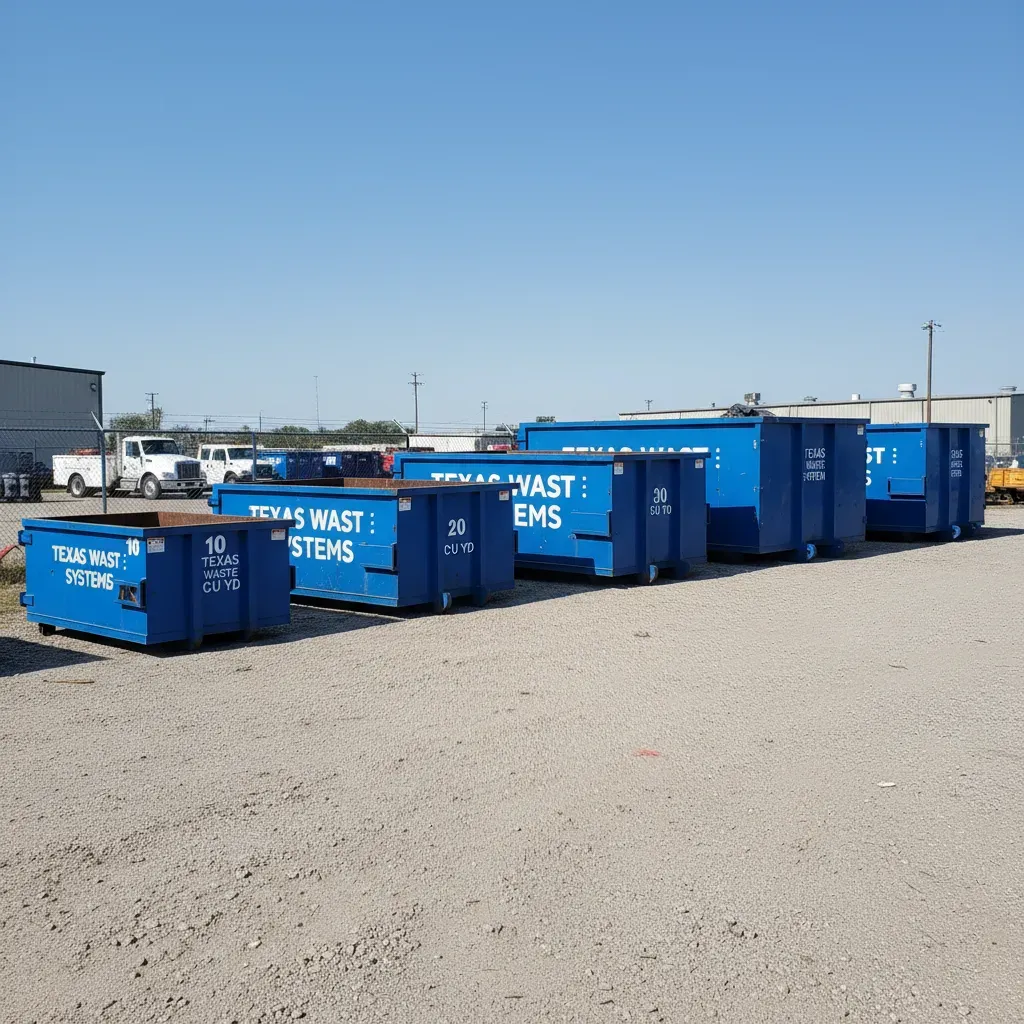
Size
Dumpster size directly impacts rental price. Choose from 20, 30, or 40 cubic yards based on your project needs.
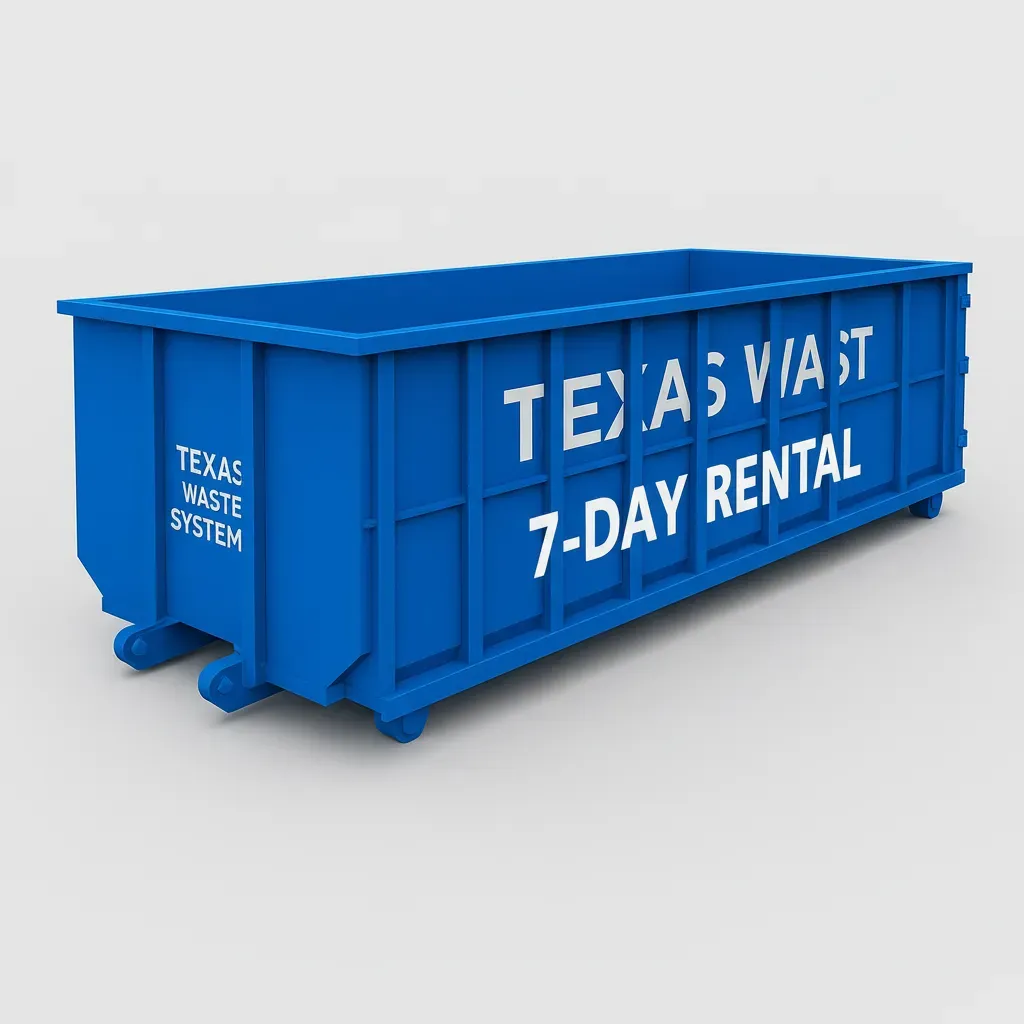
Rental duration
The length of your rental affects the total cost. Longer rentals may incur higher fees depending on your schedule.

Included weight
Each rental includes a weight limit. Exceeding this limit can result in additional disposal charges.
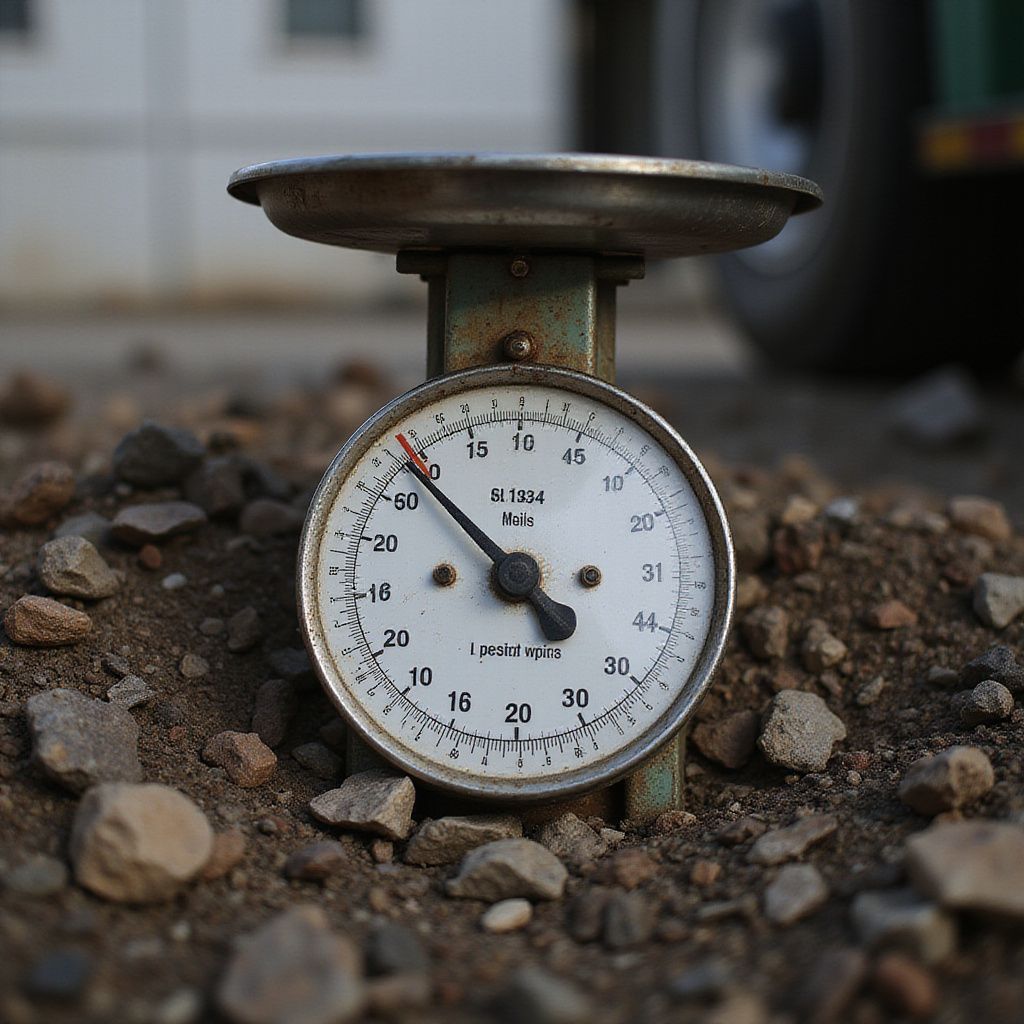
Disposal costs
Disposal fees vary based on the type and amount of waste. These costs are factored into your rental price.

Local landfill factors (Texas-specific but light)
Local landfill regulations and fees in Texas influence pricing but typically have a minor impact compared to other factors.
Understanding Weight Limits
01
What “Included Tonnage” Means
Included tonnage refers to the maximum weight allowed in your dumpster rental without extra fees. Staying within this limit helps avoid unexpected charges.
02
Why Dumpsters Get Heavy Faster Than They Look
Certain materials, like concrete and roofing debris, are dense and add weight quickly even if they don’t fill the dumpster’s volume.
03
Roofing & Concrete Examples
Roof shingles and concrete chunks weigh significantly more per cubic yard than lighter materials, impacting your weight limit faster.
04
Why Weight ≠ Volume
A dumpster may look full but still be under the weight limit if filled with light materials, or it can be overweight with heavy materials even if not full.
05
3️⃣ Understanding Weight Limits (this is critical)
Knowing how weight limits work helps you plan your waste disposal efficiently and avoid extra fees with Texas Waste Systems.
4 Common Fees & How to Avoid Them
Understanding common fees helps you manage your dumpster rental costs effectively. Avoid surprises by knowing what to watch for during your rental period.
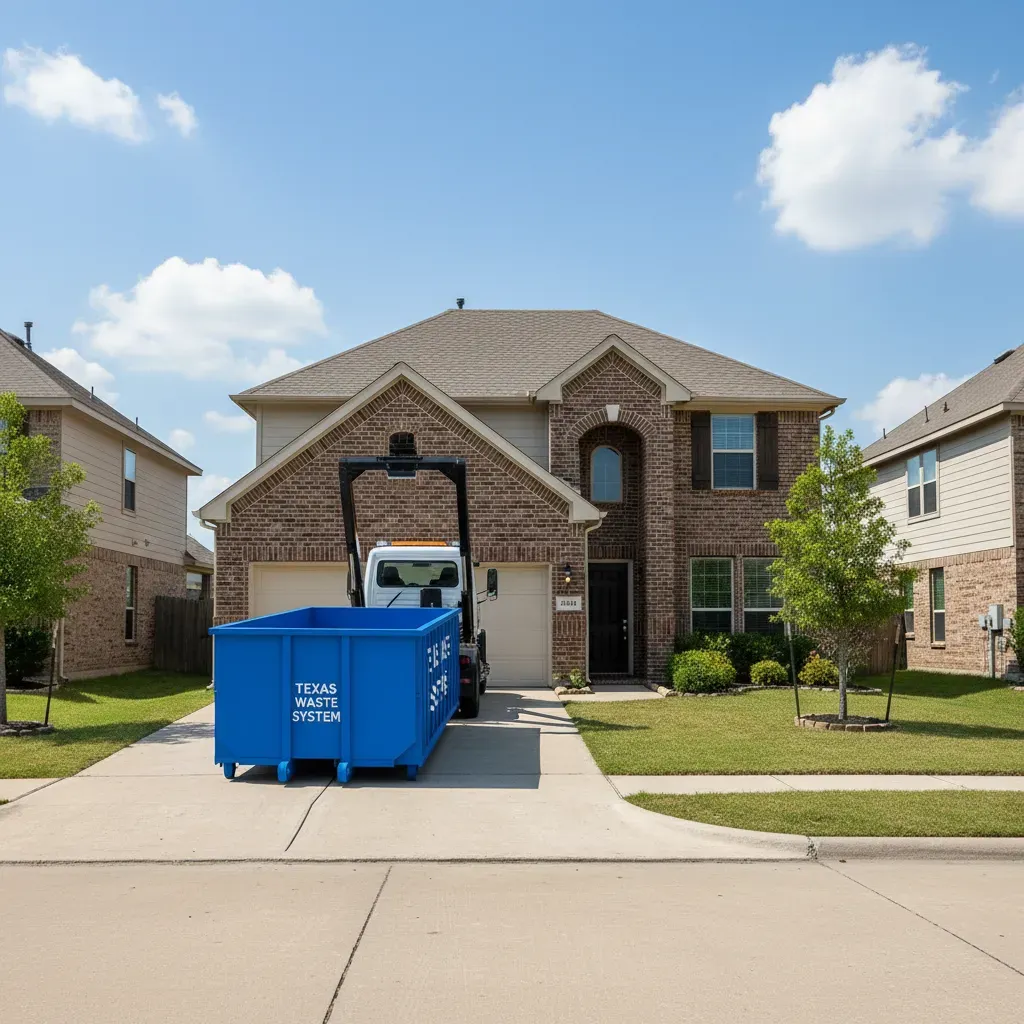
Overweight fees apply when the dumpster exceeds the allowed weight limit. Plan your waste disposal to stay within the weight restrictions and avoid extra charges.
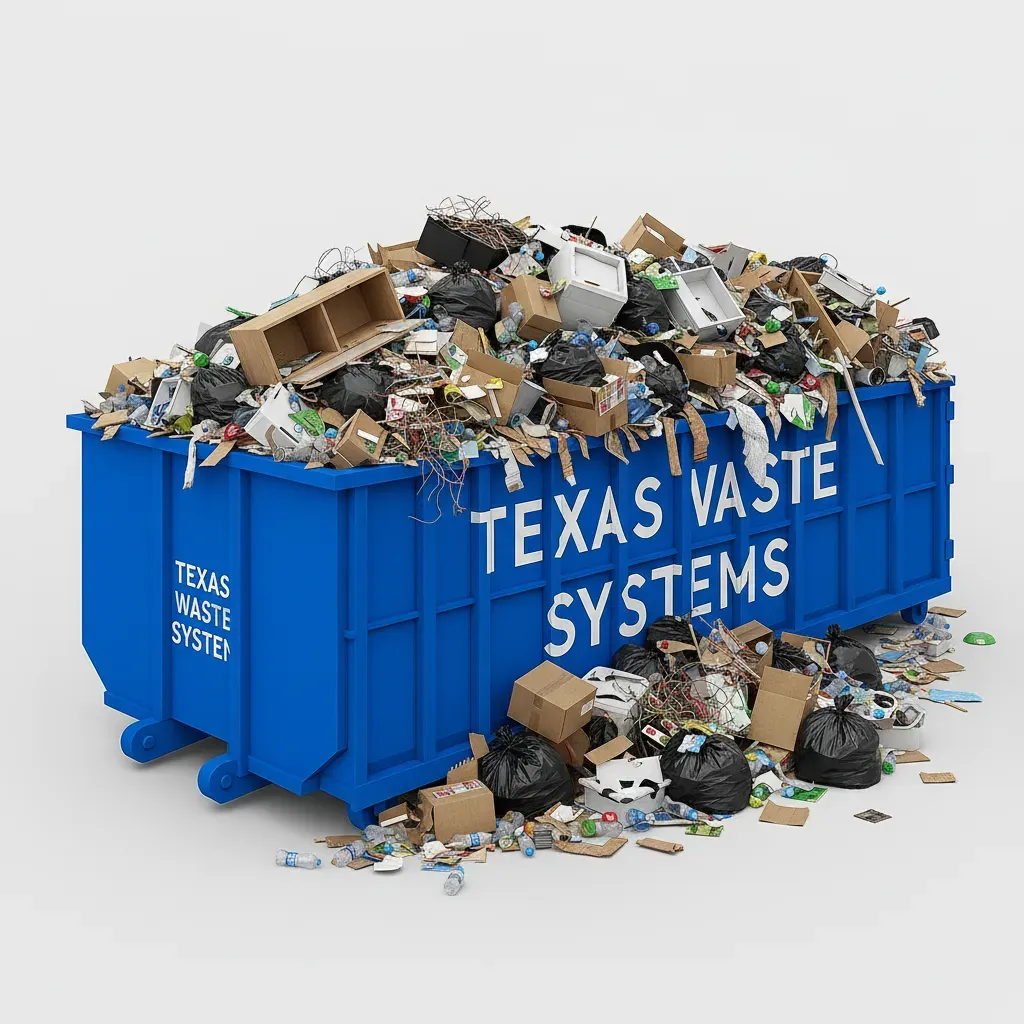
Overfill fees occur if waste extends above the dumpster’s sides. Keep waste level within the container to prevent additional costs.
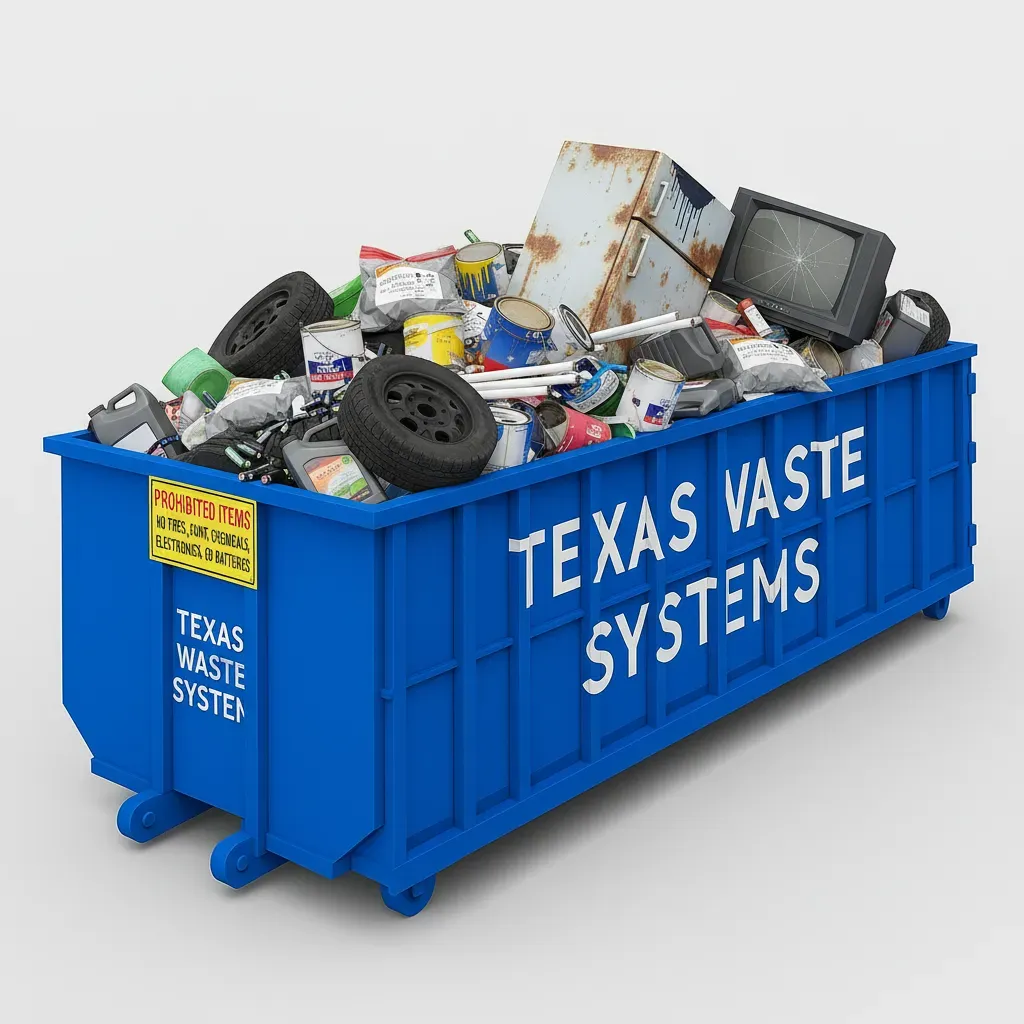
Prohibited items such as hazardous materials are not allowed in dumpsters. Review the rental agreement to ensure compliance and avoid penalties.

Trip charges may be applied if the dumpster needs to be relocated or if access is restricted. Coordinate placement carefully to minimize these fees.
Cost examples for common projects with explanations and ranges.
5 Cost Examples by Project
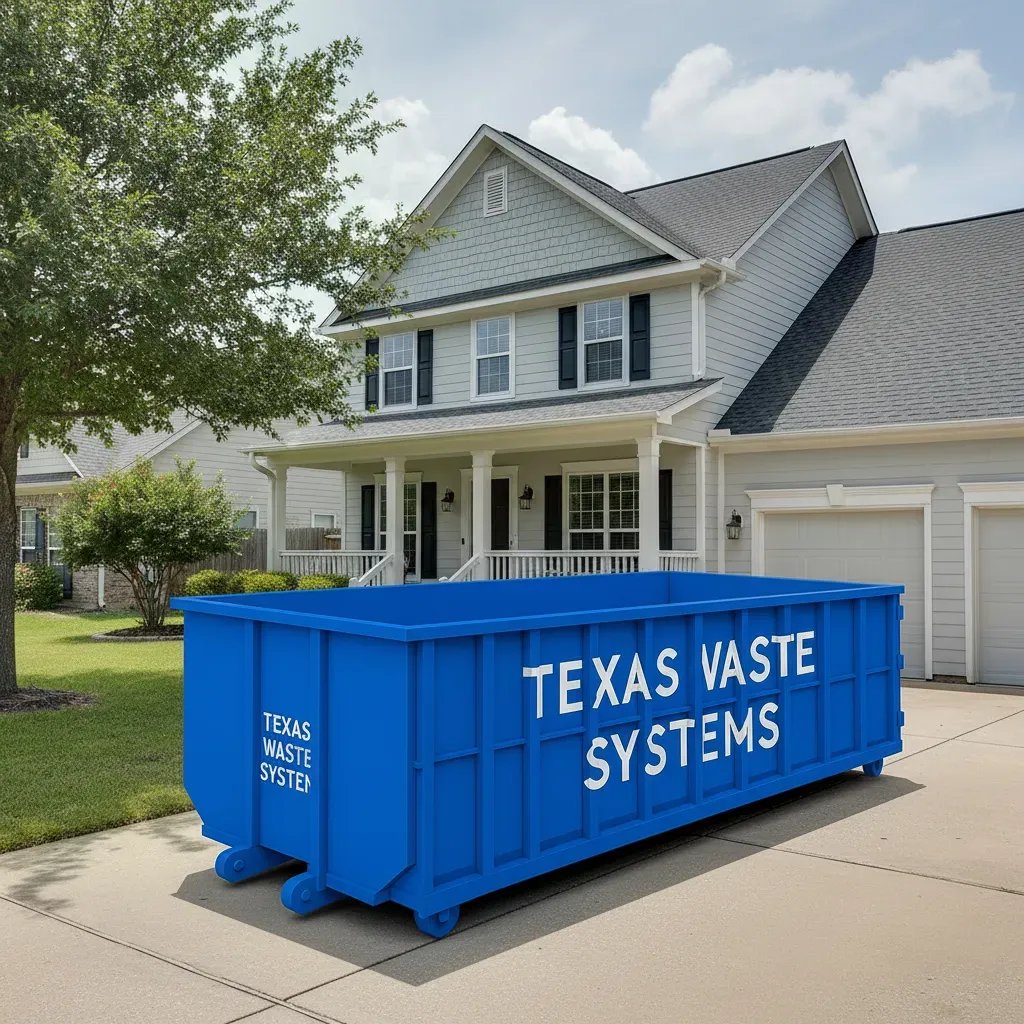
Garage cleanout projects typically require a 20 to 30 cubic yard dumpster, depending on the volume of debris and items to be removed.
[Placeholder]
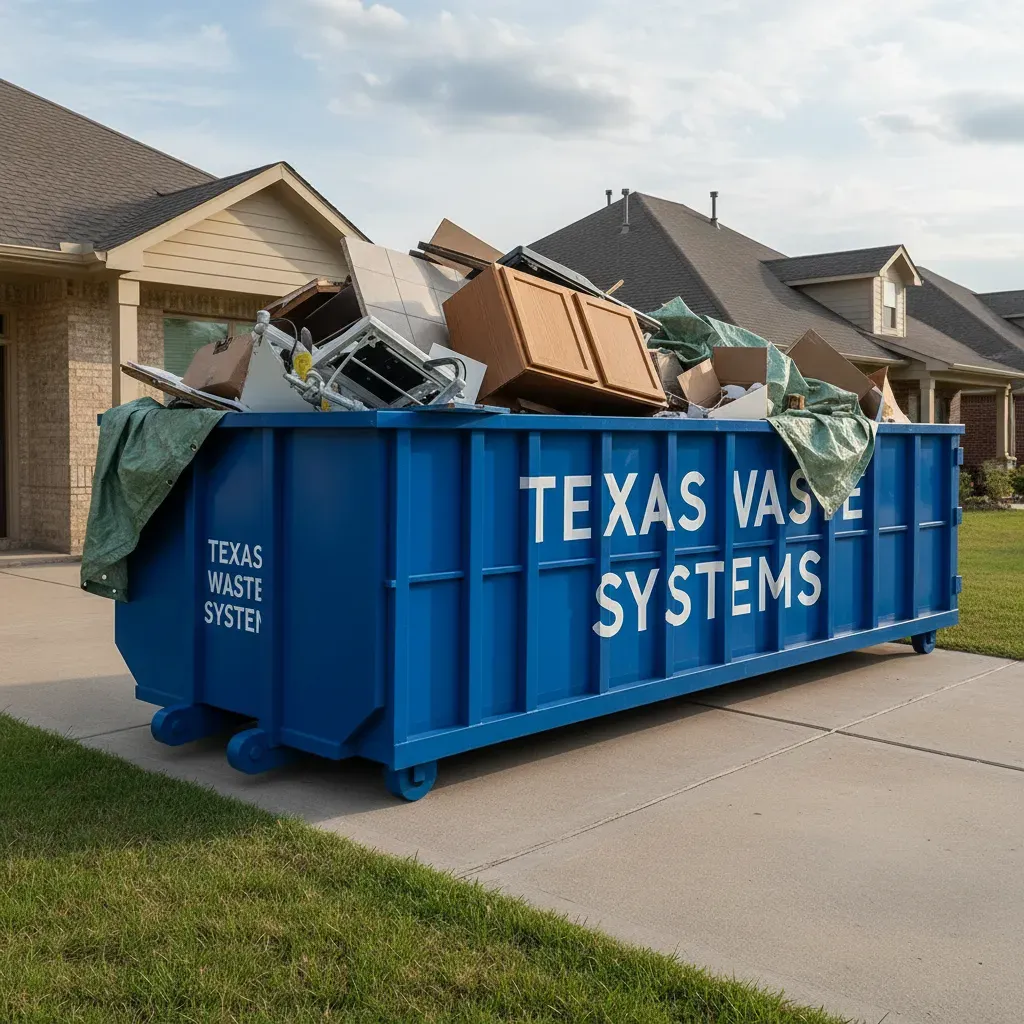
Kitchen remodel waste varies but usually fits within a 20 cubic yard dumpster, covering cabinets, countertops, and flooring materials.
[Placeholder]
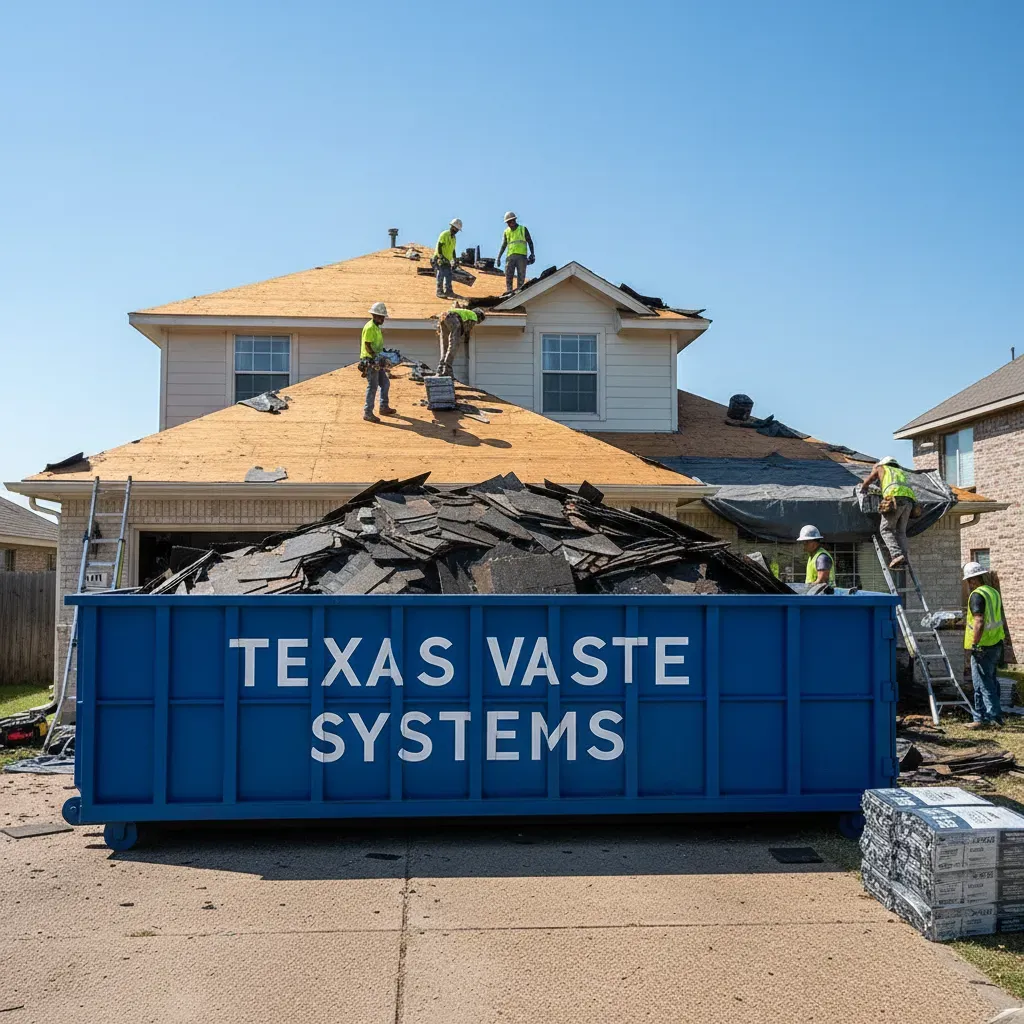
Roofing tear-off projects often require a 30 to 40 cubic yard dumpster to handle shingles, underlayment, and other roofing materials.
[Placeholder]
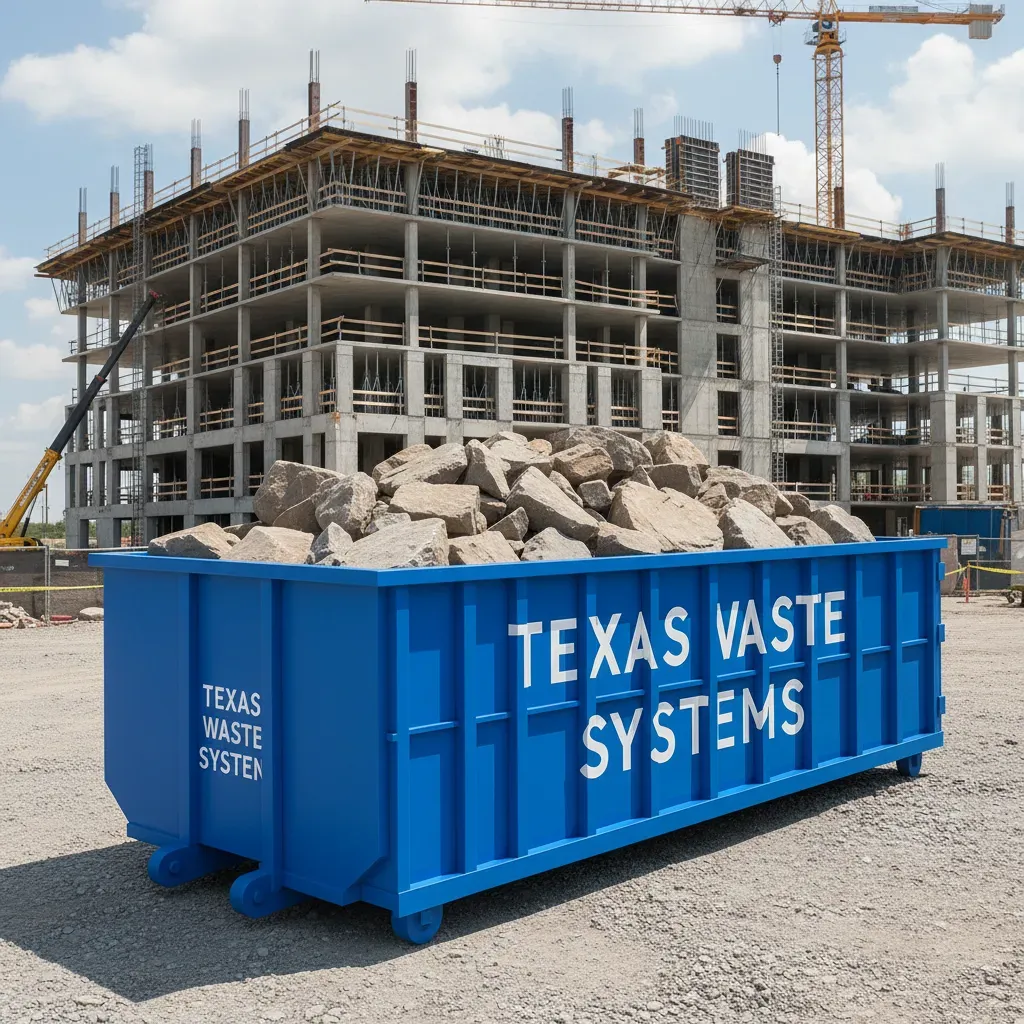
Whether you’re handling a small cleanup or overseeing a large construction project, we provide the right dumpster for every job. With roll-off dumpster sizes ranging from 10 yards to 40 yards, you can choose the container that matches your project size, debris type, and timeline.
Related Guides

Explore detailed articles covering dumpster rental pricing to help you budget your project effectively. Understand cost factors and get tips for saving on waste management.
Learn about weight limits and regulations for dumpster rentals to ensure compliance and avoid extra fees. Our guides clarify what you can safely dispose of.
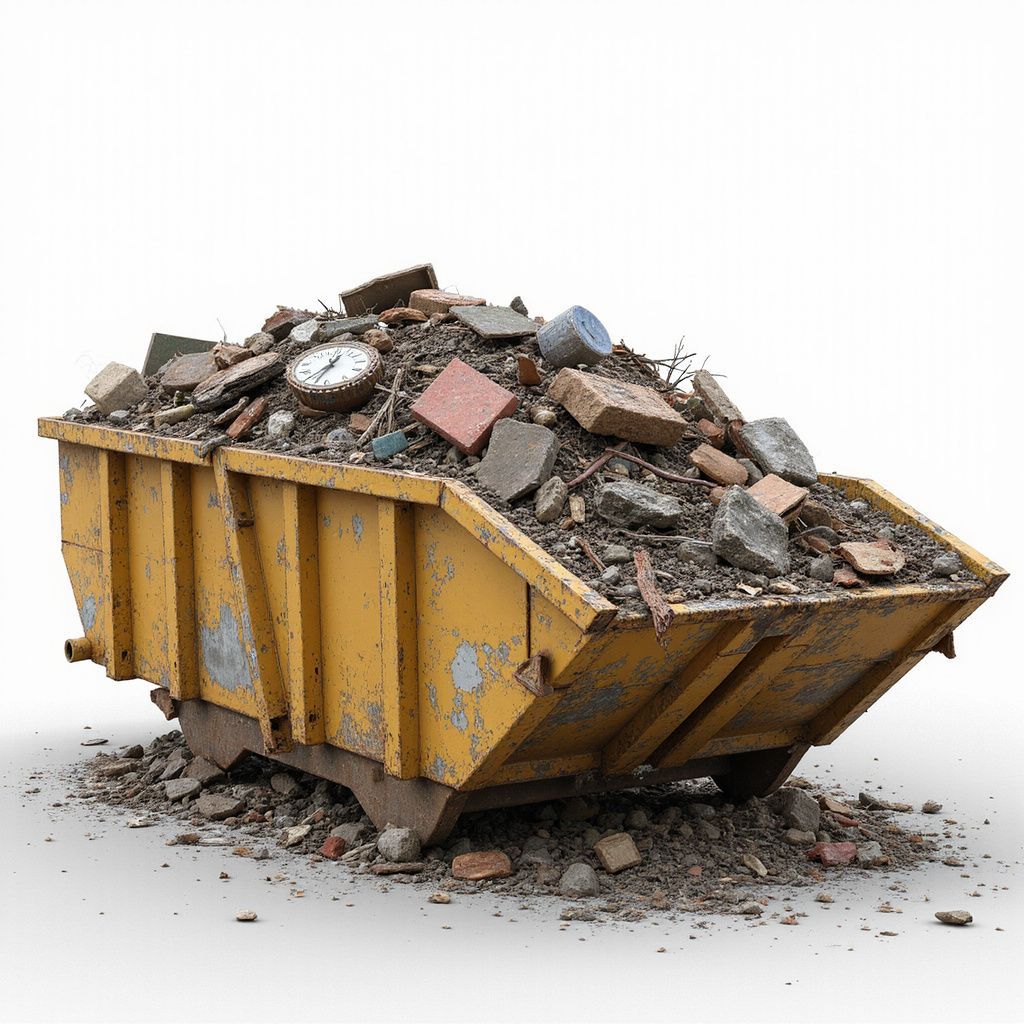
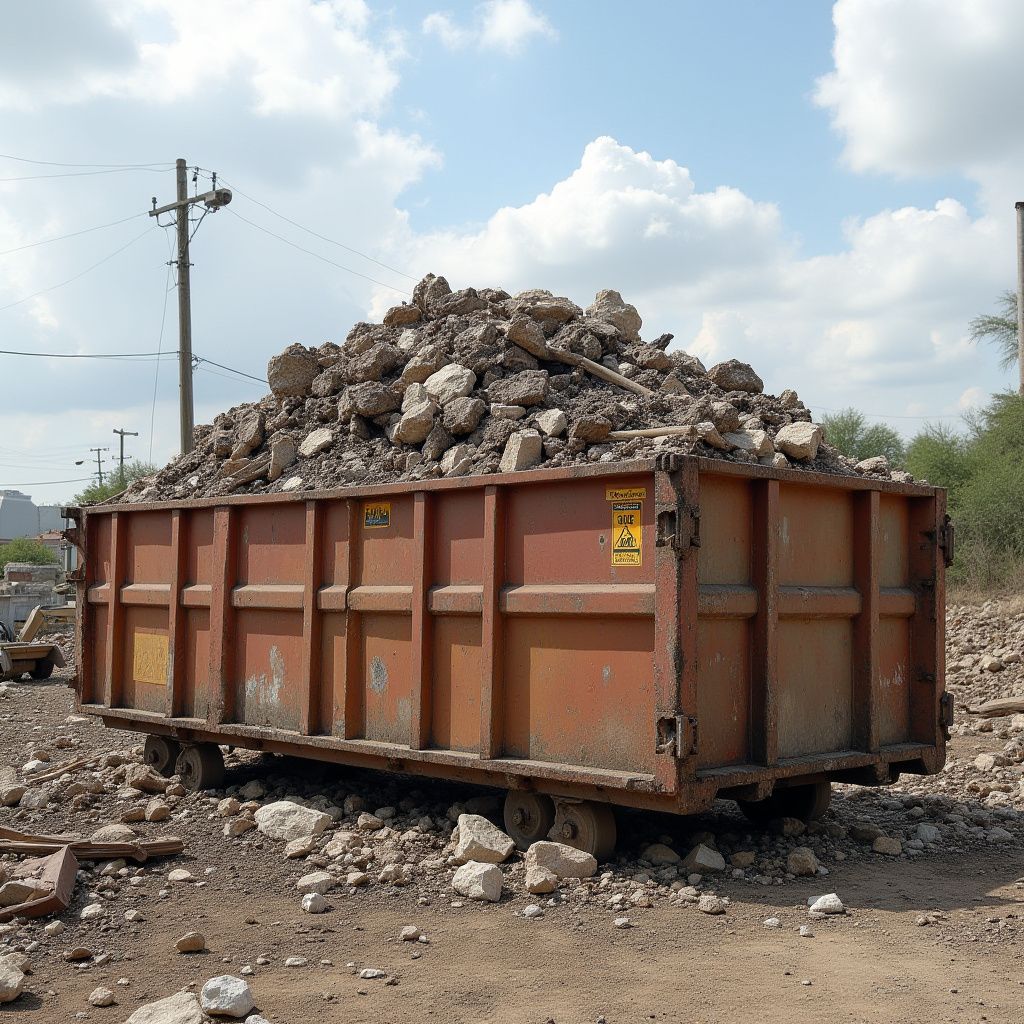
Find comprehensive information on handling heavy debris with the right dumpster size and rental options. These articles assist in planning large cleanup projects.
Related Guides (Pricing, Weight & Surprise Fees)
Want to go deeper? These guides explain the real-world drivers behind pricing, included weight, disposal fees, and the most common “gotcha” charges.
Key takeaways
- Most “cheap” advertised rates exclude disposal/tonnage and common overage triggers.
- Heavy debris (shingles, concrete, masonry) hits weight limits fast—plan tonnage before ordering.
- Redelivery, blocked access, and contract terms are the biggest sources of surprise fees.
Pricing & Estimates
Weight, Overage & Heavy Debris
- Weight Limits Explained: Why Shingles Cost More Than Furniture
- Swap-Outs Explained: When an Empty Roll-Off Is Cheaper Than Overage Fees
- Understanding Roll-Off Dumpster Weight Tickets
- Roofing Projects: Estimating Tonnage Before You Order
- Concrete, Brick & Masonry: Renting the Right Roll-Off for Heavy Debris