Dumpster Placement & Permit Requirements

Knowing where you can place a dumpster — and whether you need a permit — helps prevent delivery delays, fines, and forced relocations. This guide explains driveway vs street placement, local permit rules, and how to prepare your property for a smooth drop-off.
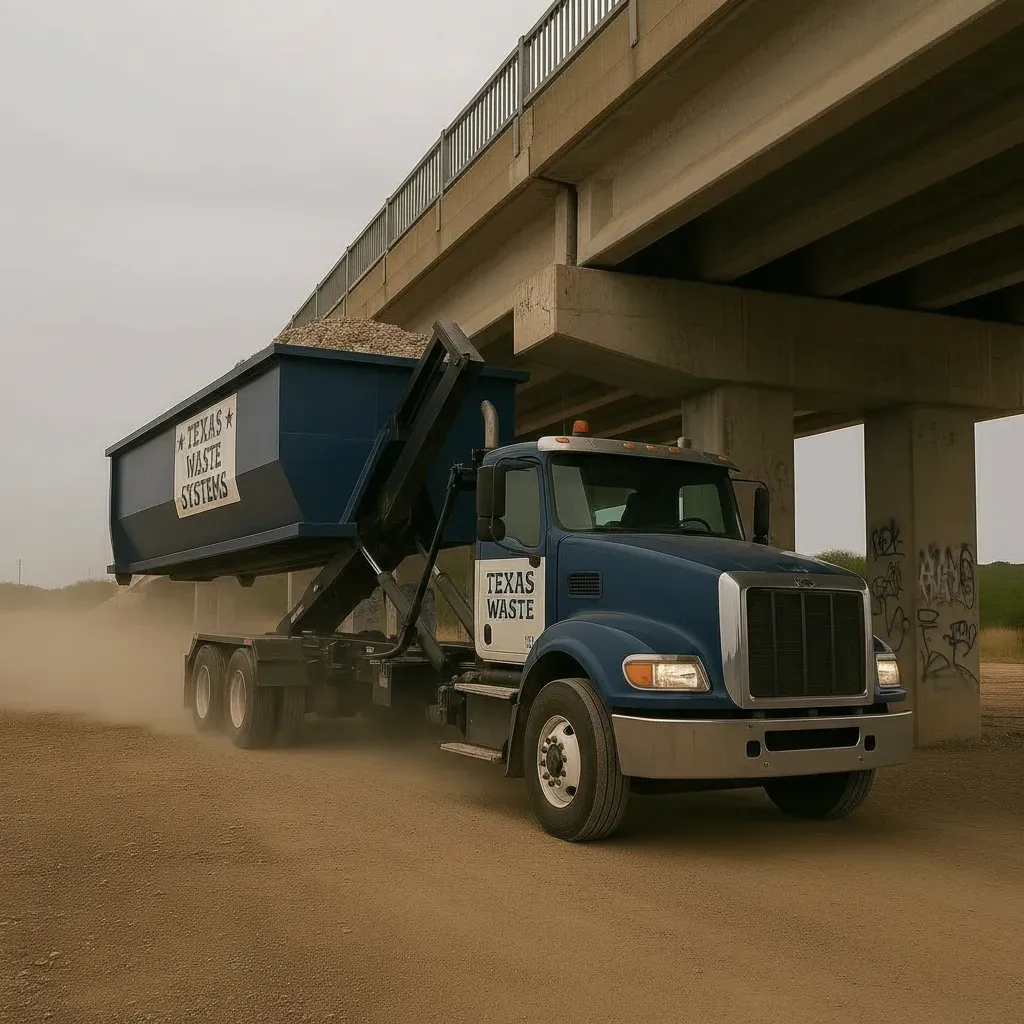
Where You Can Place a Dumpster

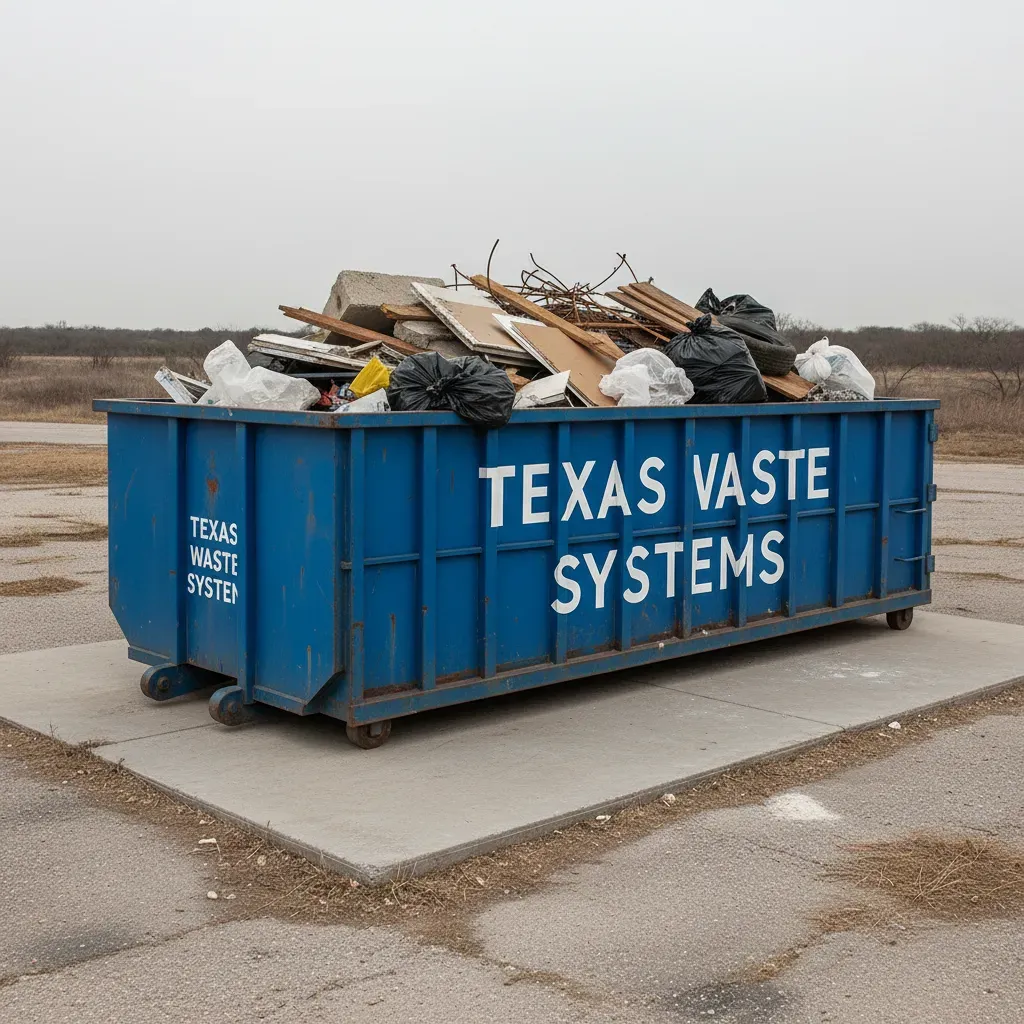
Dumpsters can typically be placed on private property or, in some cases, on a public street. The correct placement depends on space, access, and local regulations.

Public streets or alleys (with approval)

Private lots or job sites

Driveways

Placing a dumpster on private property is usually the simplest option, while street placement often requires additional approvals.

Parking Lots

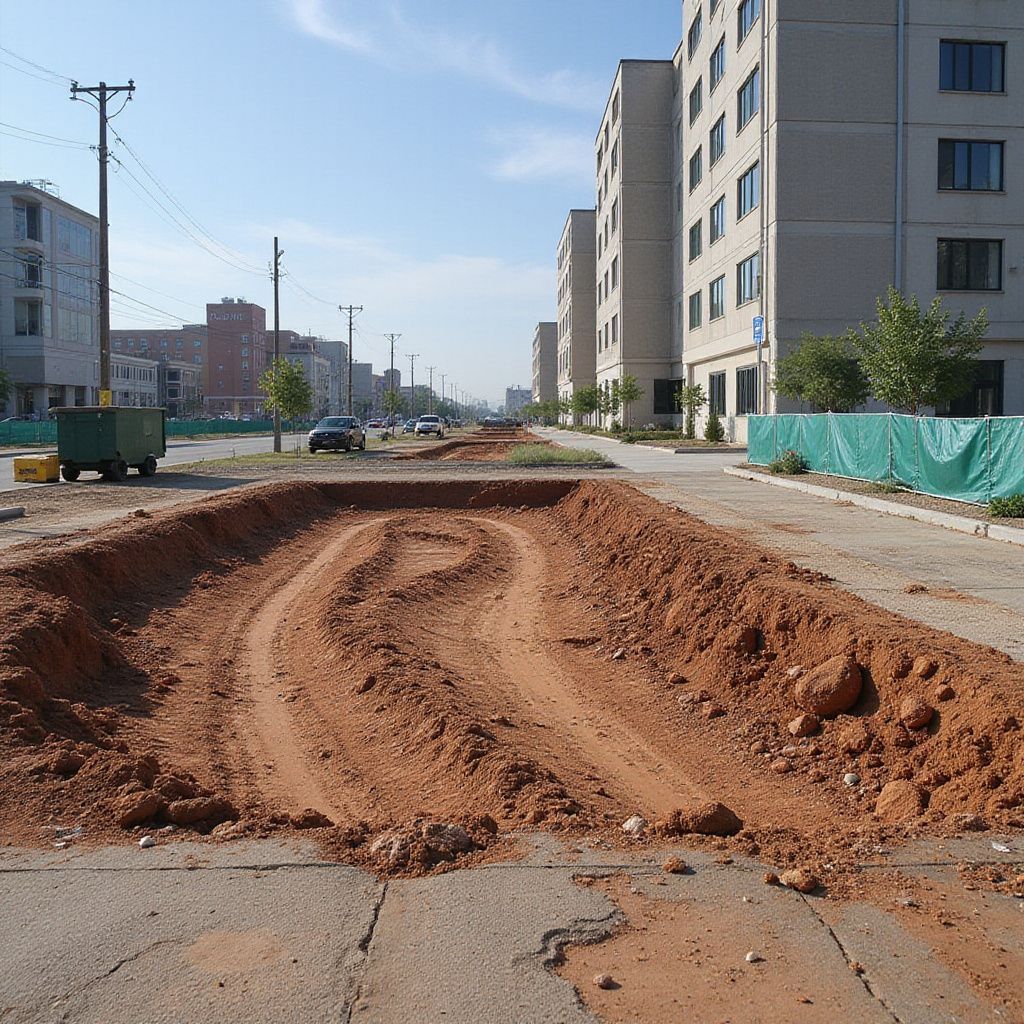
Downtown Streets

Private Property

Driveway vs Street Placement

Driveway placement is the most common choice for residential rentals. It typically does not require a permit and offers easy access for loading.
Street placement may be necessary if a driveway is unavailable or inaccessible, but it often requires a permit from the city or municipality.
Before delivery, consider space availability, vehicle access, and any neighborhood restrictions that may apply.

When a Dumpster Permit Is Required

A permit is generally required when a dumpster is placed in a public right-of-way, such as a street, sidewalk, or alley.
Permit requirements vary by city and neighborhood. In many areas, the responsibility for securing a permit falls on the renter, though some municipalities allow rental providers to assist with the process.
If you’re unsure whether a permit is needed, it’s best to check with your local city office before scheduling delivery.

HOA & Neighborhood Restrictions

Homeowners associations and managed communities may have additional rules regarding dumpster placement, duration, and visibility.

Common HOA requirements include:

Limits on how long a dumpster may remain on-site

Approved placement locations

Checking HOA guidelines ahead of time helps avoid complaints or removal requests after delivery.

Always HOA Friendly

HOA Approval Needed

Same Day Pickup/Delivery

Space, Access & Clearance Requirements

Proper access ensures the dumpster can be delivered safely and placed accurately.

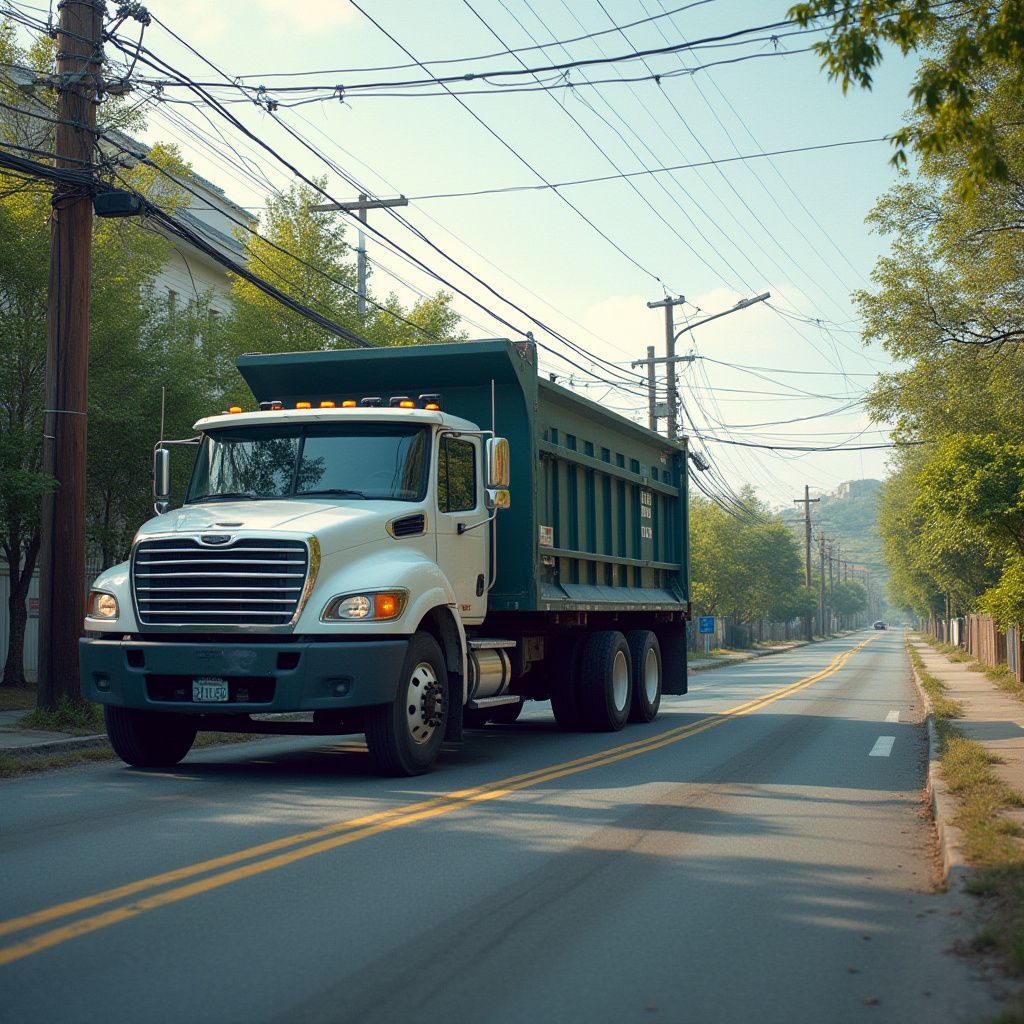
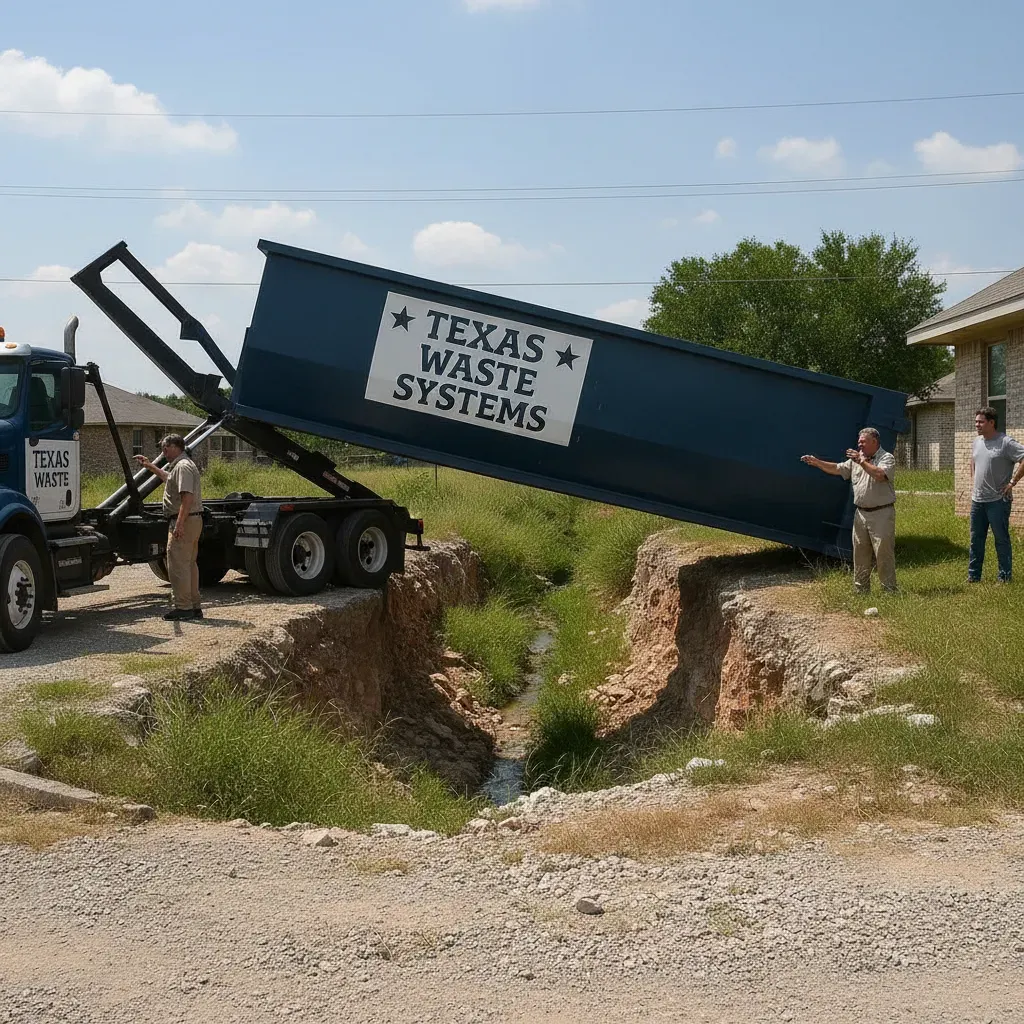
Blocked access, low-hanging wires, or uneven ground can delay placement or require relocation.

Protecting Driveways & Surfaces

Dumpsters are heavy, especially when loaded. Taking steps to protect your property can help prevent surface damage.
Protective measures may include placing plywood under contact points or choosing a location designed to handle heavy loads.
If you’re concerned about surface protection, discussing placement options ahead of time can help avoid issues.

How to Prepare for Delivery Day

Preparing the drop-off area ahead of time helps ensure a smooth delivery.

Mark the desired placement location

Open gates if needed

Remove parked vehicles

Being prepared helps prevent rescheduling and ensures the dumpster is placed exactly where you need it.

Simple/Quick Pickup

Have Your Spot Ready

Being Ready Is Key

Dumpster Placement FAQs

01

Delivery Access

Not always, as long as access is clear and placement instructions are provided.

02

Permit Responsibility

Permit responsibility varies by location, but renters are often responsible for securing approval.

03

Placement Rules

Improper placement may result in fines, forced relocation, or delayed pickup.

Reliable dumpster rentals tailored to your project size and schedule.

Related Placement & Permit Guides

Use these resources to confirm where a dumpster can go, when permits apply, and how to prepare your site for a smooth drop-off.

Ready to Schedule Your Dumpster Rental?

Our team can help confirm placement options, permit requirements, and delivery logistics before your dumpster arrives.